
However, contrary to popular belief and in the vast majority of cases – a staggering 99 percent – the real issue isn’t always a defective basket strainer plug or seal. Unveiling the true cause behind your disappearing act requires a closer examination, particularly of the rubber seal's integrity. This guide aims to equip you with the insights to accurately diagnose whether your rubber seal is indeed the villain of this aquatic escape or if other unseen factors are at play, ensuring you can tackle the root of the problem with confidence.
Checking the basket strainer for waste
The heart of your sink's ability to hold water lies in the basket strainer waste, or simply the plug, which nestles snugly into a metal flange. The secret to a watertight seal is the black rubber seal situated beneath the basket strainer or on the plug itself, which presses against the flange to prevent water from escaping.

To test the efficacy of your basket strainer waste's sealing capabilities, proceed as you normally would by pushing the basket strainer into place. Then, fill your sink with enough water to just cover the strainer or plug, taking care not to overfill to the point where water contacts the bottom of the sink directly. At this juncture, you're at a crossroads: either the water stays put, or it begins to retreat. Should you notice the water level dwindling, it's a telltale sign that your basket strainer or plug is not living up to its sealing duties. In such cases, procuring a replacement becomes necessary. Luckily, if your sink is still under warranty, you might secure a new basket strainer, plug, or rubber seal at no extra cost. For those outside the warranty period, fear not—replacement parts are readily available at most home improvement stores, ensuring a perfect fit for your sink's specifications. Conversely, if the water remains steadfast, your basket strainer or plug is performing admirably, effectively sealing your sink against unwanted leaks. This simple test is a crucial step in maintaining the functionality and efficiency of your kitchen sink, ensuring a hassle-free dishwashing experience.
What is the problem then? Why does the water keep dripping away?
When water mysteriously disappears from your sink, despite a seemingly secure plug seal or basket strainer waste, the culprit often lies in the improper installation of the sink waste itself. The dilemma arises when water finds a pathway beneath the sink flange, a scenario typically attributed to a compromised rubber or fabric seal. Alternatively, the issue may stem from a 'dry fit' – an installation oversight where a waterproof sealant, like silicone, was omitted between the sink and its bottom. As a result, water stealthily slips under the sink flange, coursing through the waste system as if unobstructed, all while leaving no trace of leakage, despite the basket strainer waste or plug being firmly in place.
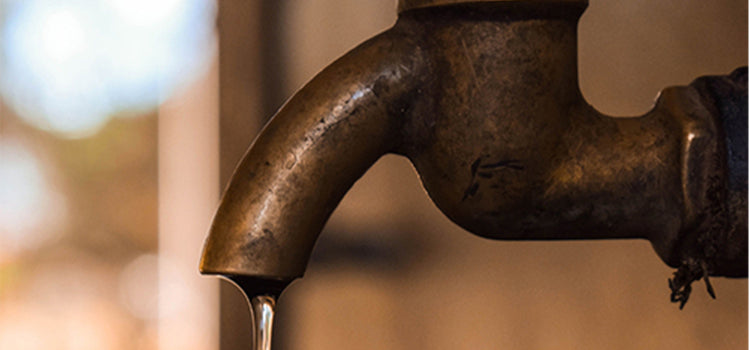
Stop water from leaking beyond the waste container
To tackle the issue of water craftily bypassing the waste container, embark on a journey beneath the surface by first removing the basket strainer or plug. Proceed to unscrew the central bolt anchoring the sink waste, paving the way to gently elevate the metal sink flange. This action unveils the truth behind the seal's adequacy or lack thereof.
Before proceeding further, ensure the sink's base, along with both the top and underside of the sink flange, are thoroughly dry. The next step involves applying a modest bead of silicone to the underside of the sink flange, a crucial element in crafting a watertight barrier. Reattach the flange using the central bolt, securing it in place.
Patience is key as the silicone sealant needs adequate time to cure. Once dry, reintroduce the basket strainer or plug to its rightful position and resume your regular sink activities. This procedure should effectively retain water within the sink when the basket strainer or plug is deployed, eliminating the mysterious drainage and restoring peace to your kitchen chores.
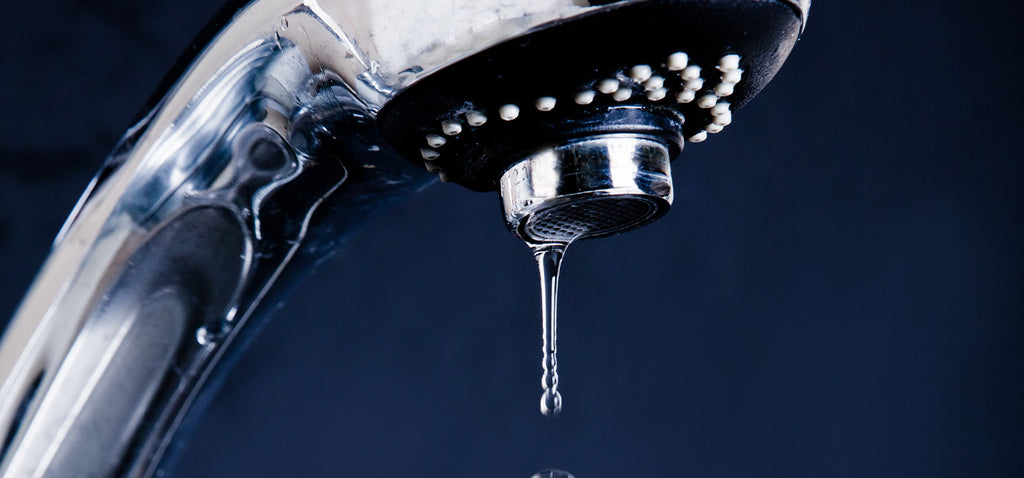
If you've found these tips for fixing your kitchen sink leak helpful, you might be tackling other water woes around your home. I stumbled upon a fantastic guide for addressing one of the most common issues many of us face: a dripping tap. 'How to Fix a Dripping Tap in Your Gold Bathroom UK: A Comprehensive DIY Guide' offers easy-to-follow steps to get your bathroom taps back in perfect shape, without the need for a professional. It’s a great resource that I thought could also be beneficial for you. Check it out and make your home leak-free! .
